The children's dictionary, thesaurus & learning app, built for how kids actually learn.
Early literacy and maths for ages 2 to 8: 4,000+ illustrated words in 26 languages, and one short learning trail a day. No child left behind.
- For families, at home
- For teachers and classrooms
- For schools and school boards
Tap a word, hear it speak
A real card from the word library behind every trail. Tap it to hear the word, switch the language, or move to the next one.
Every language in the library, right here on the page.
Browse the full dictionary ›One library, many ways in
Seeing the same words in different places can help them stick, so everything we make shares one library. Pick a way in.
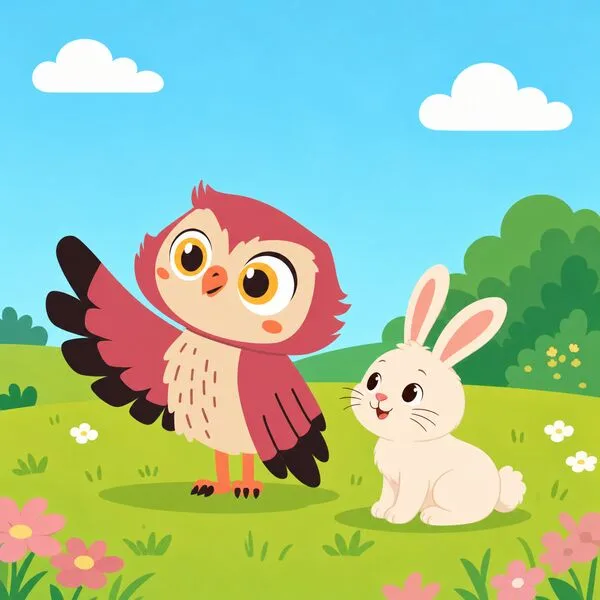
Real words, real pictures
Six more from the library. Tap any card to hear the word.
For families, teachers and school systems
Parents & families
A short trail a day at home, in English and your family's language.
For parents ›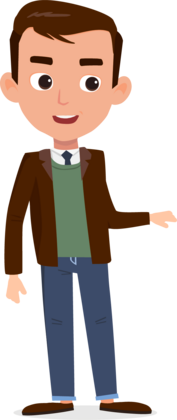
Teachers & daycares
Daily practice that builds from sounds to words to sentences, with each child's trail in view.
How classes work ›Schools & school boards
Programmes from one school to a whole system, set up with you.
Partner with us ›Why early vocabulary matters
Research over several decades links the words a child knows early to how well they read and learn later.
The word gap, estimated
In a small study of American families in the 1990s, Hart and Risley estimated that by age 4, children in the most talkative homes had heard around 30 million more words than children in the least talkative ones. It is an estimate from a small sample, and later researchers have questioned the exact figure, but early language experience is linked to vocabulary growth.
The early years move fast
The first years of life are a period of very rapid brain development. Rich, responsive early experiences, including language, help build the connections that reading, reasoning and learning later rely on.
Vocabulary and reading
Research links a child's early vocabulary to their reading comprehension years later, which is why we start with words. Vocabulary alone is not enough, so each new word is also read and written.
In 2024-25, about 1 in 4 Grade 3 students in Ontario's English-language schools did not meet the provincial reading standard (74% met it, EQAO results). Little Wordsmiths exists to put a language-rich environment within reach of every family, in 26 languages, one short trail a day.
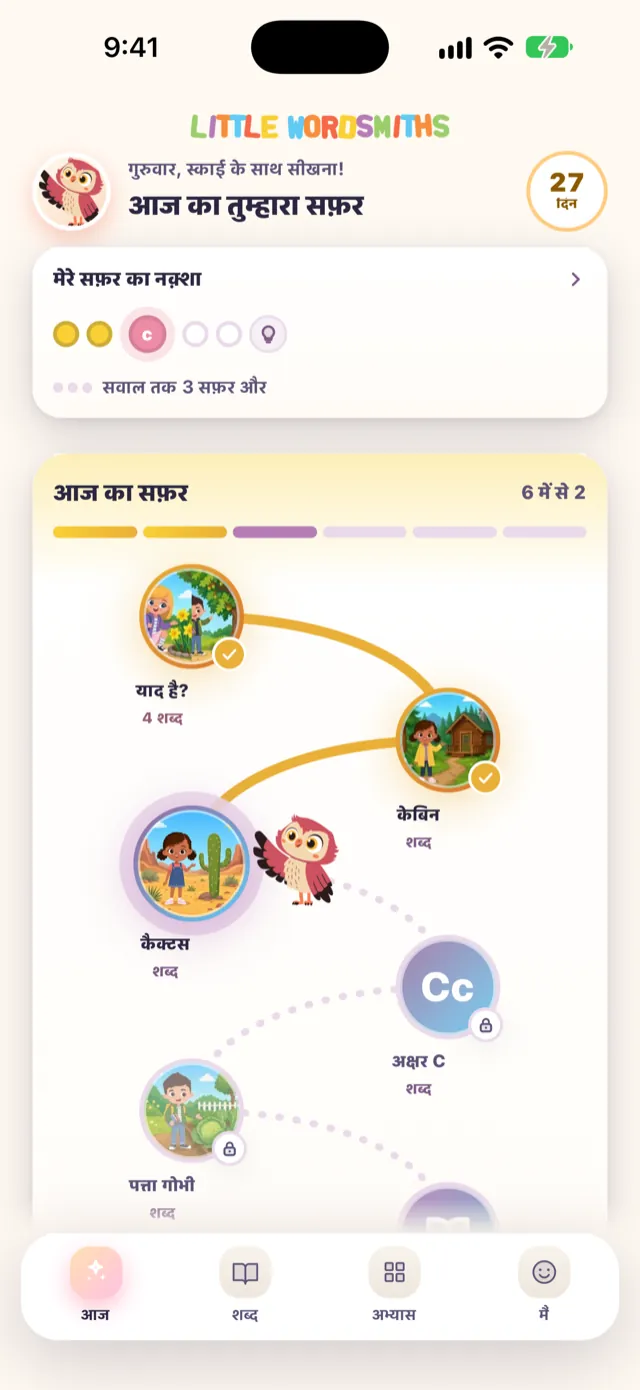
Sky lays out the day. Your child walks it.
A trail is a handful of short stops, picked for your child. It stays the same all day, opens one stop at a time, and finishes. Every new word comes three ways.
Hear it
The word is spoken aloud, with its picture, in English and in the language you choose for your family.
Read it
Your child reads it by sliding a finger under each part as it lights up.
Write it
Then writes it by tracing. Younger children trace the first letter; older levels trace the whole word.
And other stops your child may meet, picked for them
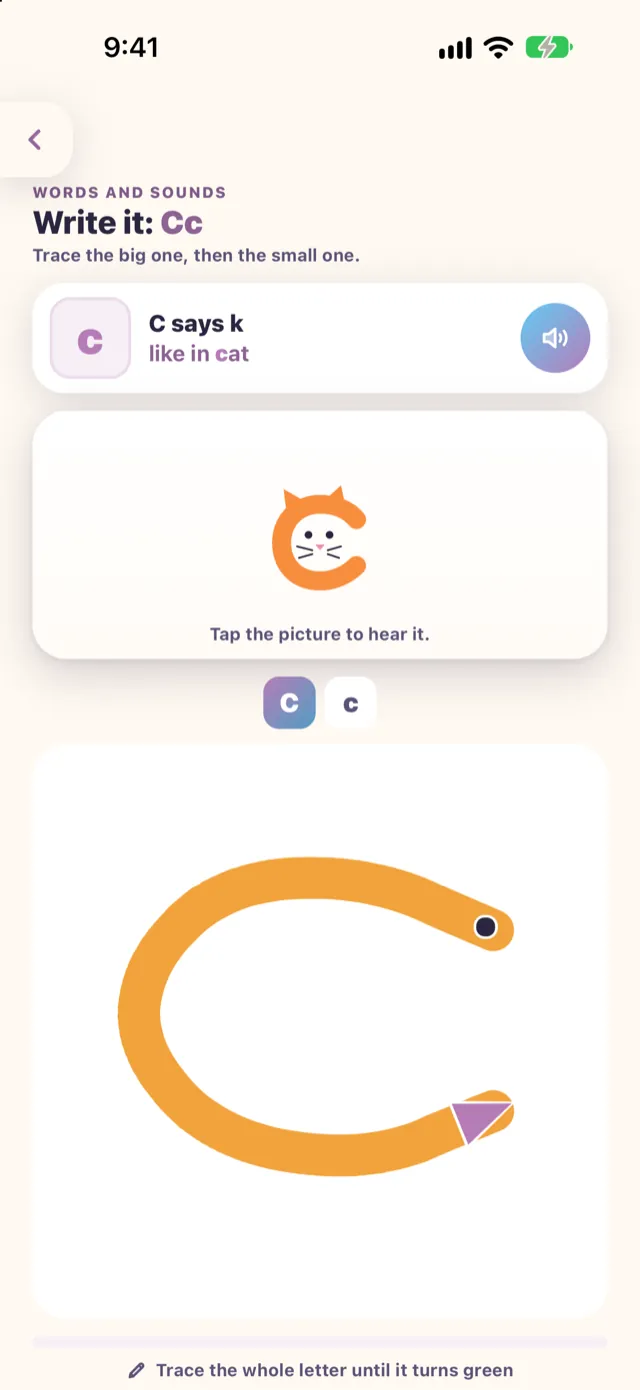
A letter and its sound
Hear what each letter says, then trace it.
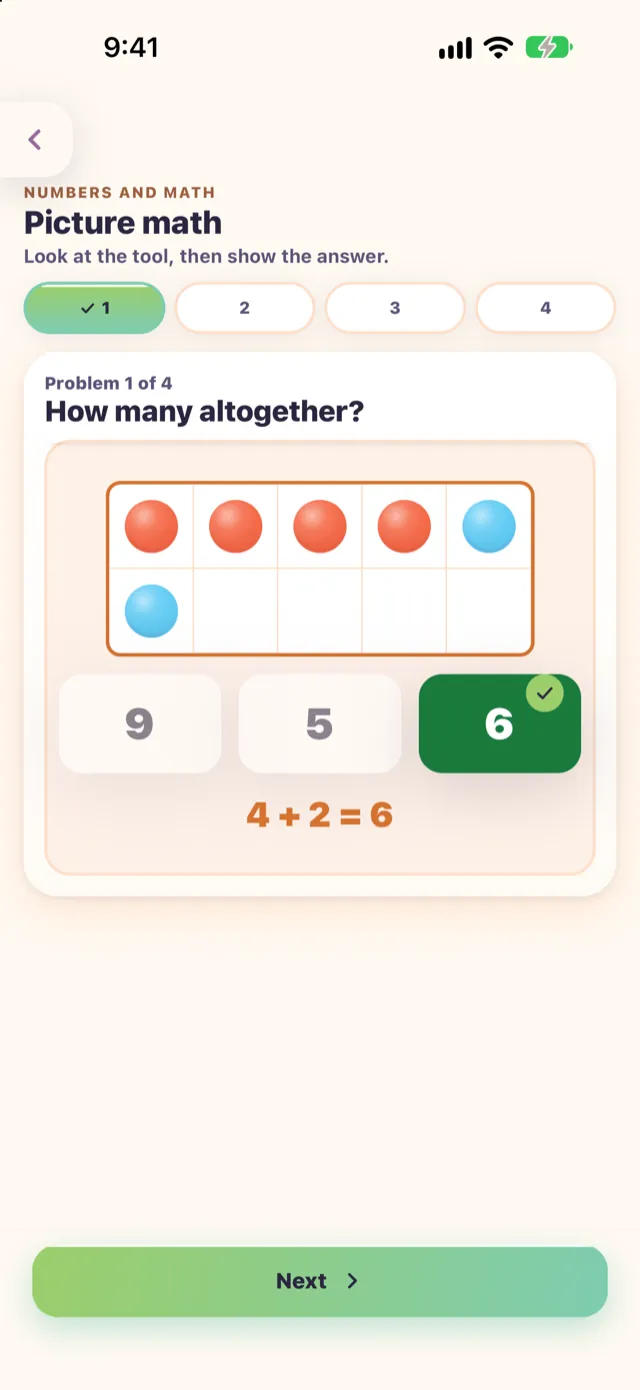
A little maths
Count, add and share with hands-on tools that grow with your child.
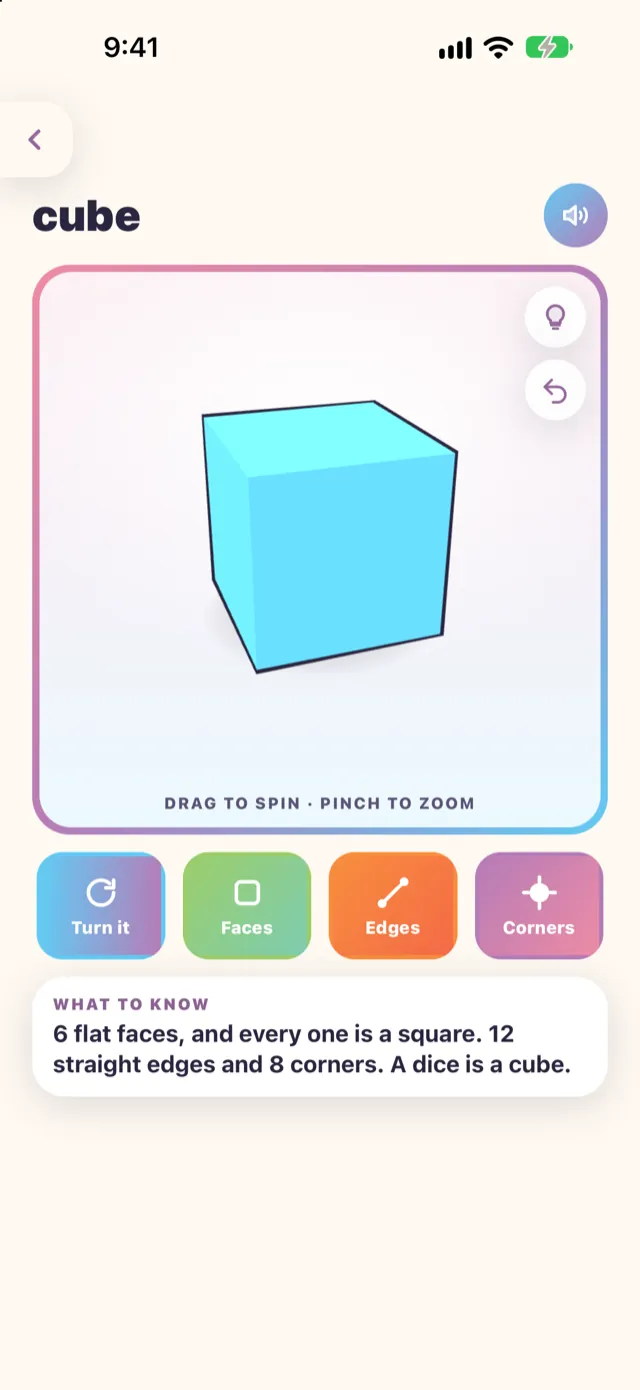
A shape
Pick up a 3D shape, spin it, and count its faces, edges and corners.
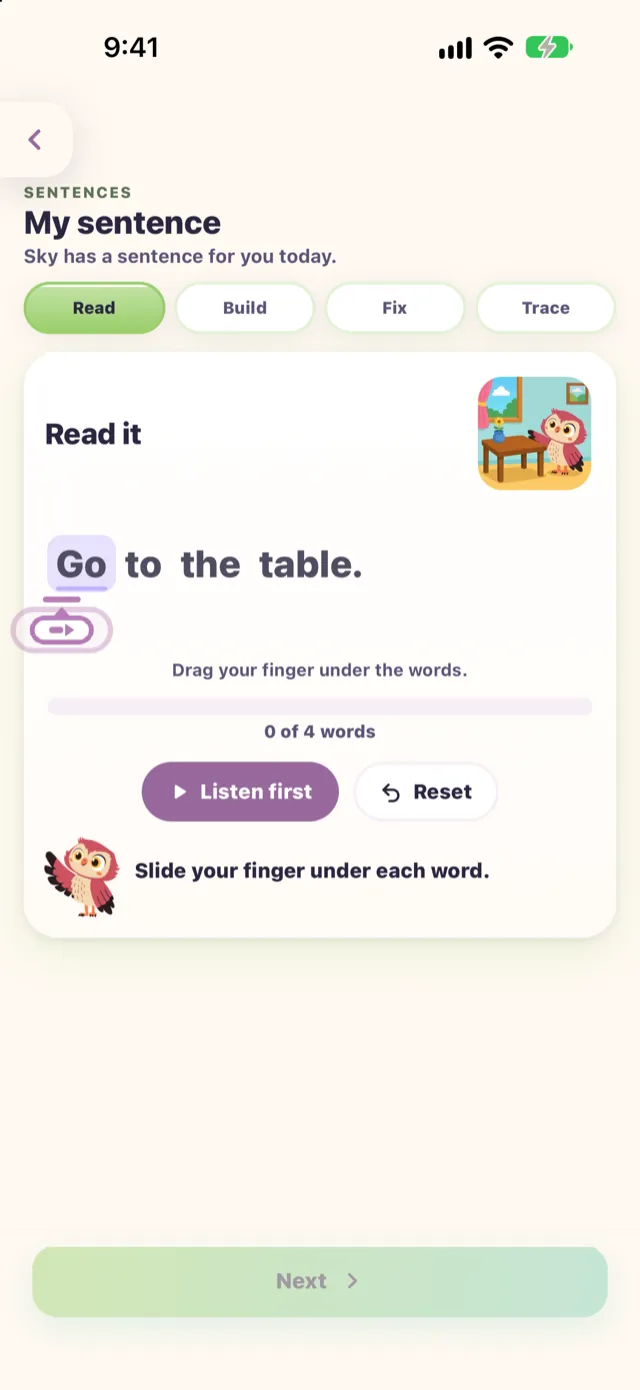
A sentence
Read, build and fix short sentences made from words your child already knows.
Built to end, and built to stick.
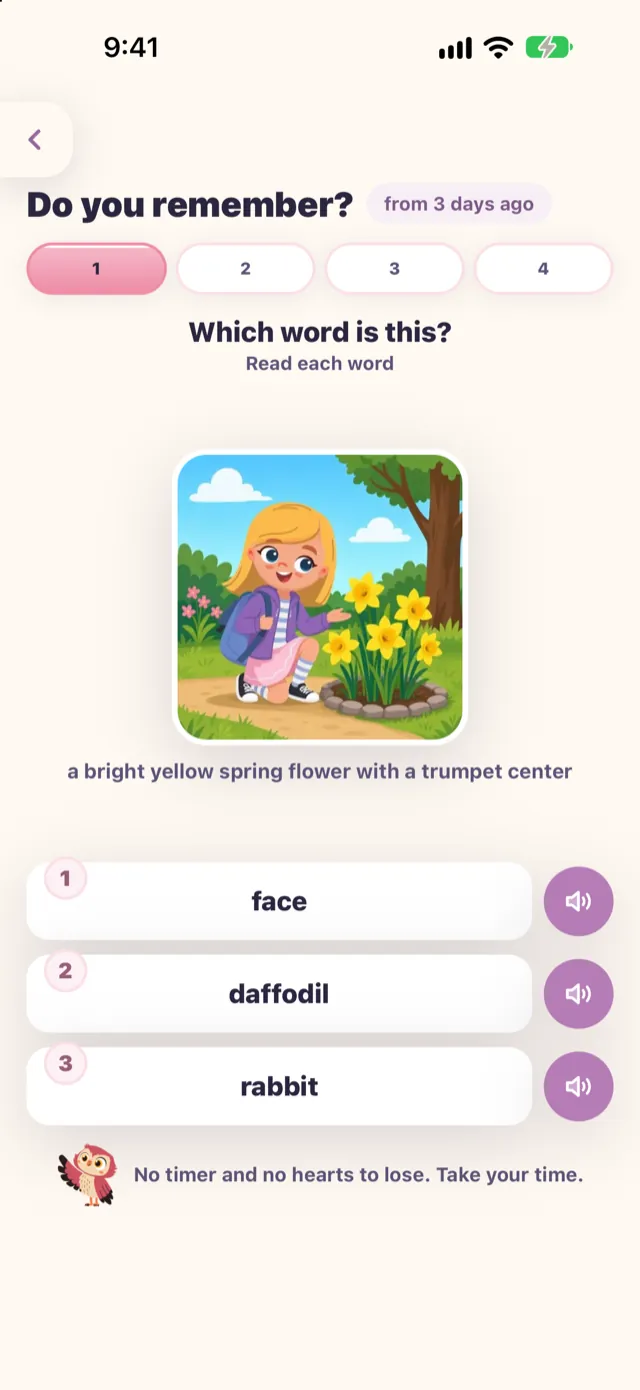
Do you remember?
Words come back for review, spaced out over days and adapted to your child's answers.
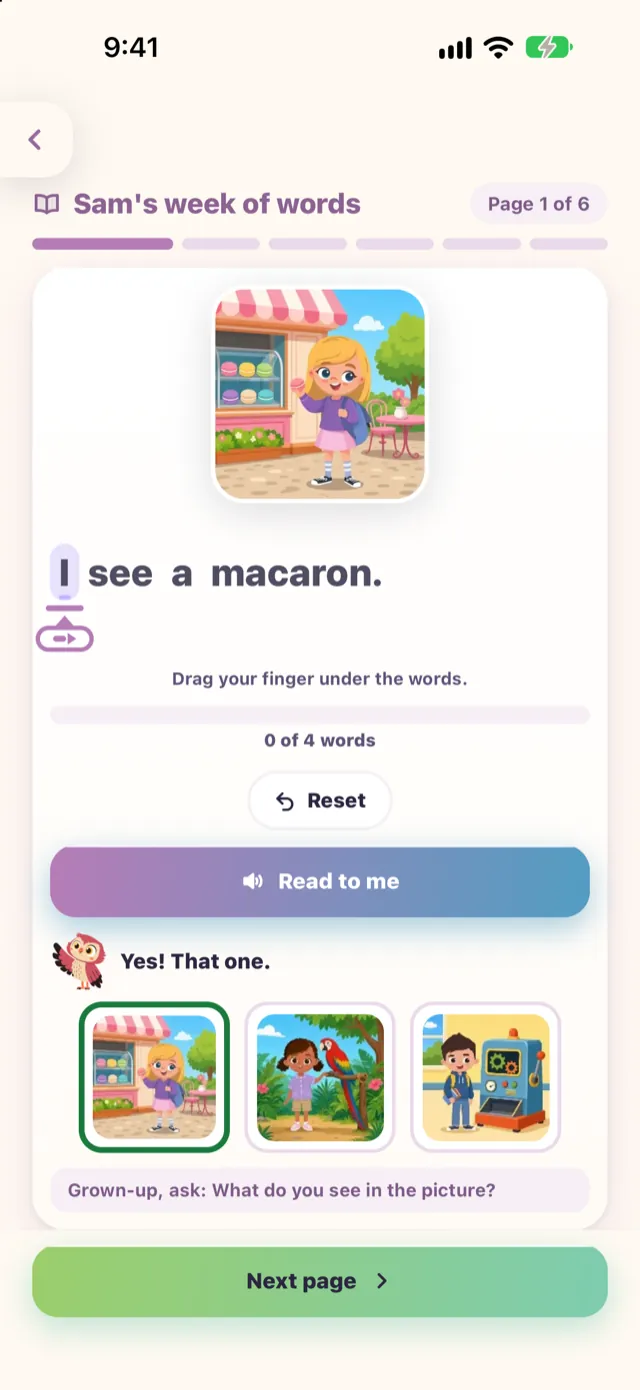
The story of the week
Once six words are ready, they become a six-page story.
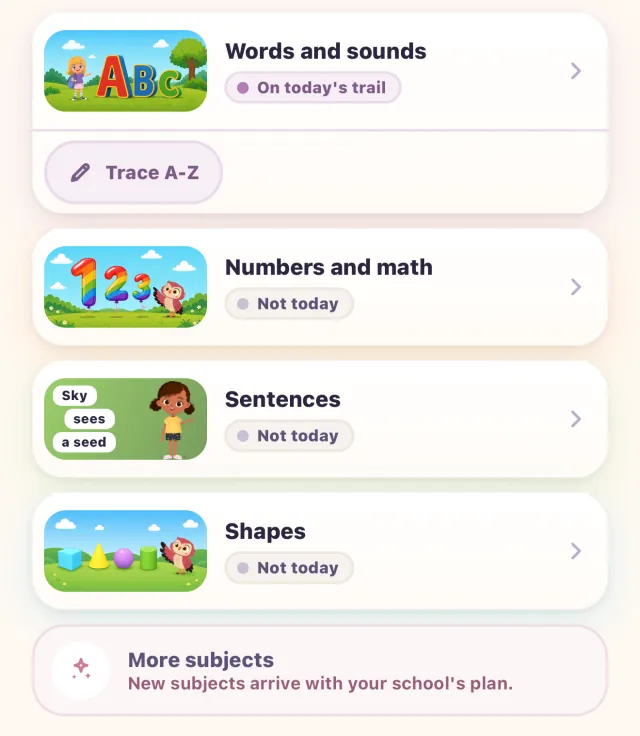
Practice games
Games for every subject that never change the trail.
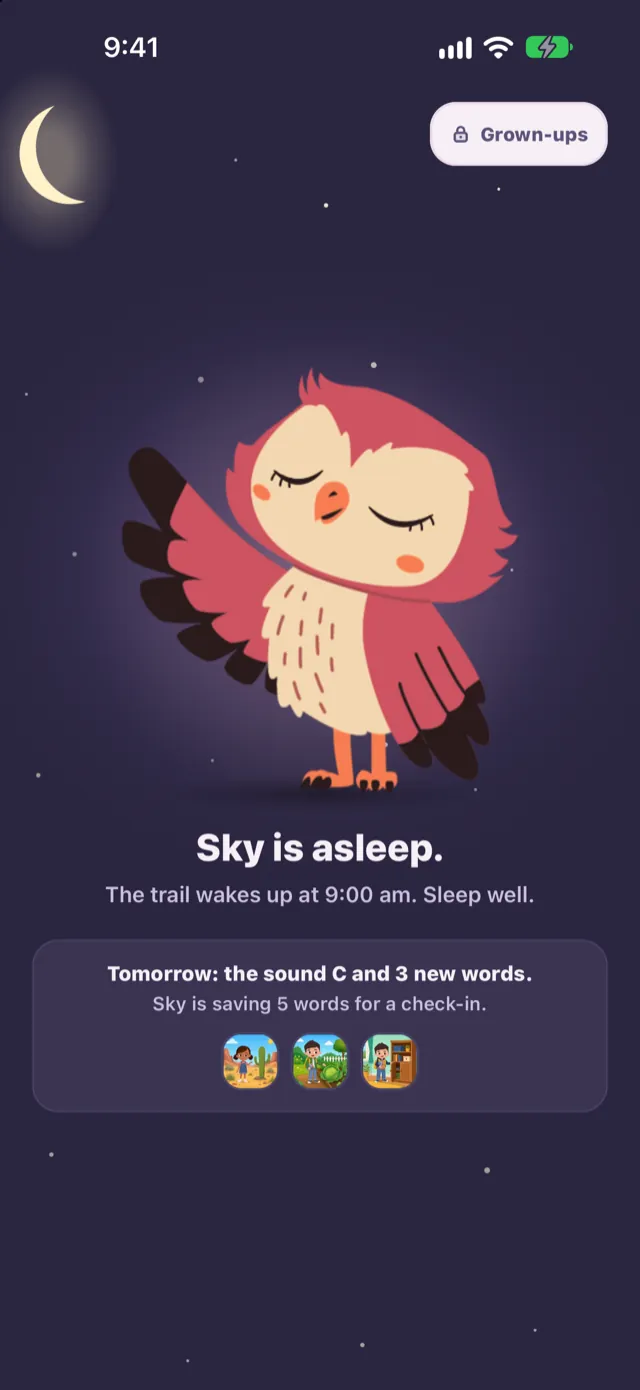
Then the day's trail ends
Sky says goodbye for today and goes to sleep.
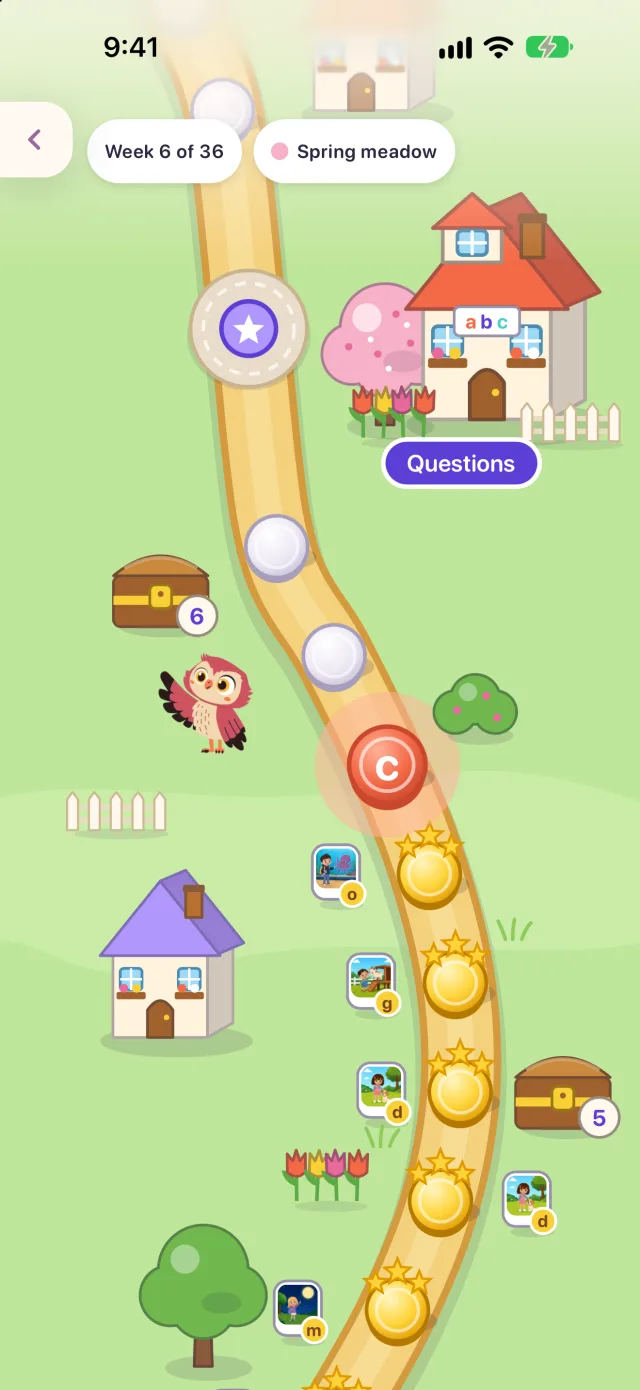
The map of the year
A valley that changes with the seasons as your child walks 36 weeks of trails, and every picture on it is a real word.
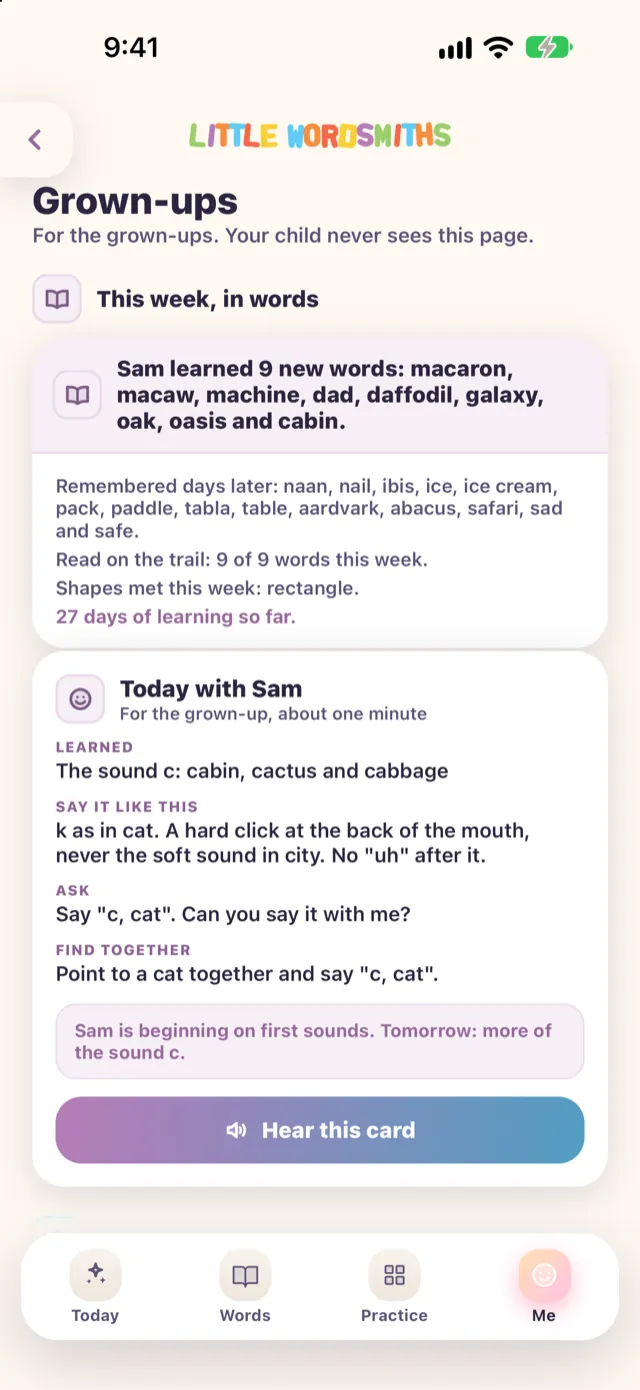
Behind the grown-ups door
The week in plain words, limits, bedtime and reminders.
Try the writing practice yourself
Try a letter yourself: trace it with your mouse, finger or stylus. Each part turns green as you cover it, and a crossing asks for a second pass.
Not started. Trace the letter C.
Thick lines are still to do, a white-centred dot needs two passes, slim green lines are done.
From one classroom to a whole school system.
Little Wordsmiths works at home and at school. A school sets up classes in the school portal, families join with a code and agree to share (or the school enrols a child itself), and teachers see each child's trail. For school boards, we set up programmes with you.
Classes in the school portal
A teacher or administrator creates a class, picks its grade from Pre-K to Grade 6 or mixed, and gets an 8-character code. The app itself covers Pre-K to Grade 2.
Families join and agree
A grown-up enters the code in the app. Nothing is shared until they read the agreement and agree, and they can stop at any time. The exception is a child the school enrols itself, whose trail the school's staff can see.
Teachers see the trail
Trail progress by learner, class and school.
Programmes at scale
Reading is planned in a familiar order, sounds, then words, then sentences, and we set up programmes with you.
Each week of the plan is tagged to Ontario curriculum expectations and to the Philippines' MATATAG competencies.Kindergarten to Grade 2 literacy and mathematics.
Words and screens in your family's language.
Choose your family's language and the app's screens and words follow it, right to left for Arabic, Urdu, Persian and Hebrew too. In English, pick American, Canadian or British spelling.
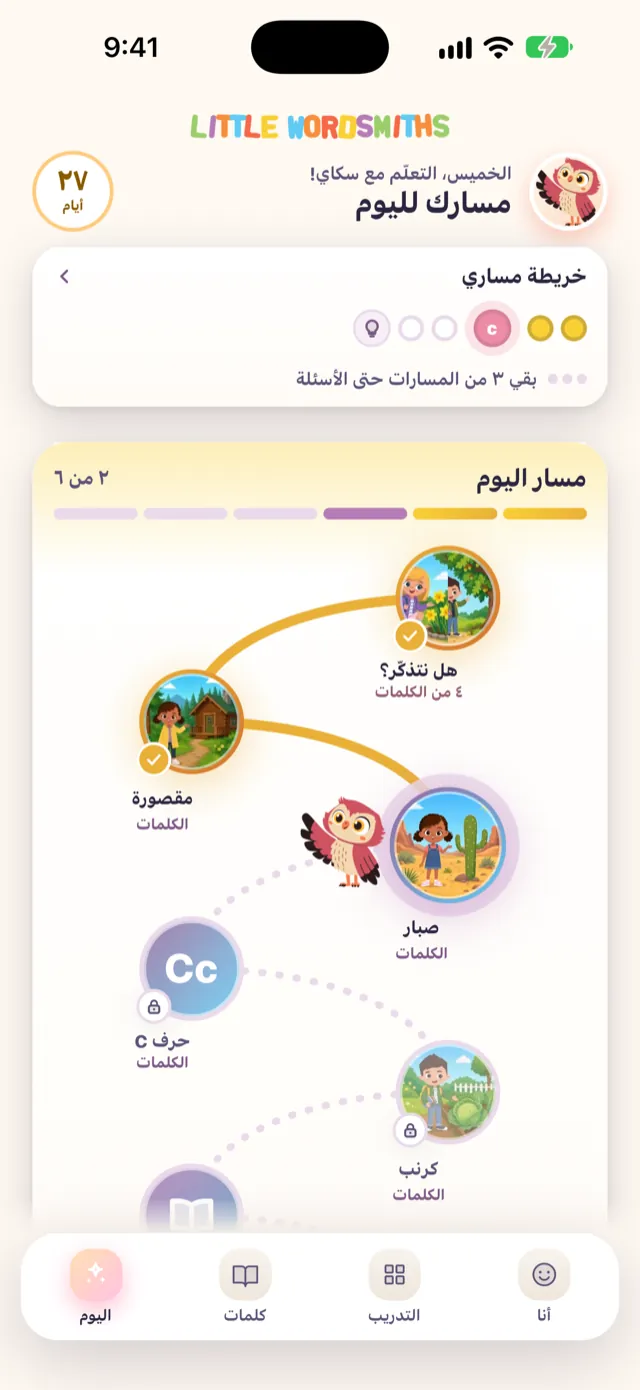
Why the app is built this way
Every choice has a reason. Here are the ones families ask about most.
One short trail a day, then it ends
Every new word three ways: hear, read, write
Words come back after a gap
No timers, no hearts to lose
No streak to break
Sky picks the day, your child does not have to
Real classroom maths tools
A story made of your child's own words
26 languages, not only English
A grown-ups door
No ads, no chat
Families choose whether to share with a class
The same eight friends, always
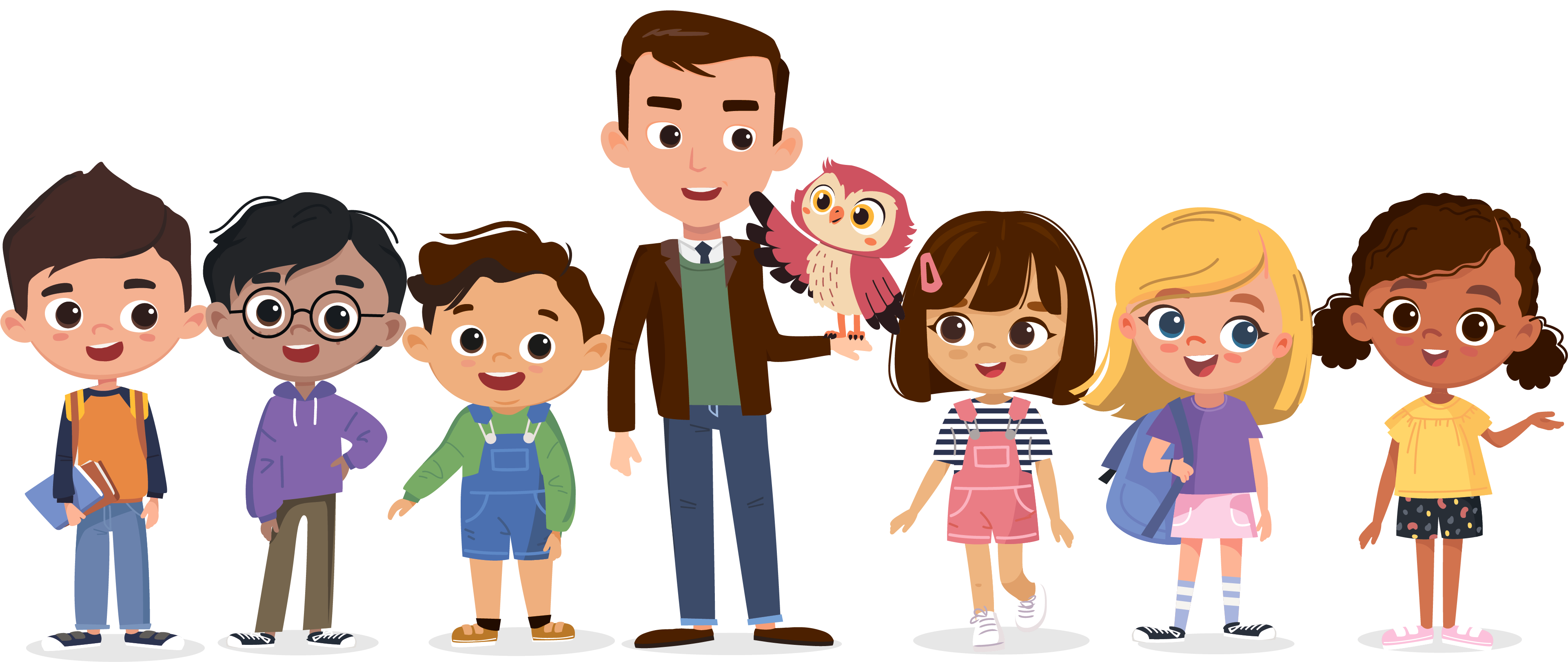
Six children, a professor and an owl
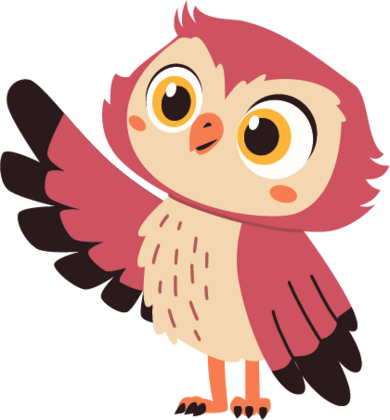
Adam, Alysa, Carlos, Olivia, Rohit and Zuri, with Professor William and Sky the owl, appear across everything we make, so every new word comes from a friend, not a flashcard. In the app, Sky is the one who lays out your child's day.
Sky the Owl · Adam · Alysa · Carlos · Olivia · Rohit · Zuri · Prof. William
For children everywhere.
Little Wordsmiths, Inc. is based in Vaughan, Ontario, and was incorporated in 2020. We work with families, teachers, schools and education programmes.

Frequently asked
What ages is it for?
Does it need an internet connection?
Which devices does it run on?
How much does it cost?
How long does a trail take?
What do you collect about my child?
Can my child's school see their progress?
How do I delete my account?
Get the app, or partner with us.
Families: download Little Wordsmiths on iPhone, iPad or Android. A subscription, bought in the app; it needs an internet connection. Schools and school boards: we would love to hear from you.